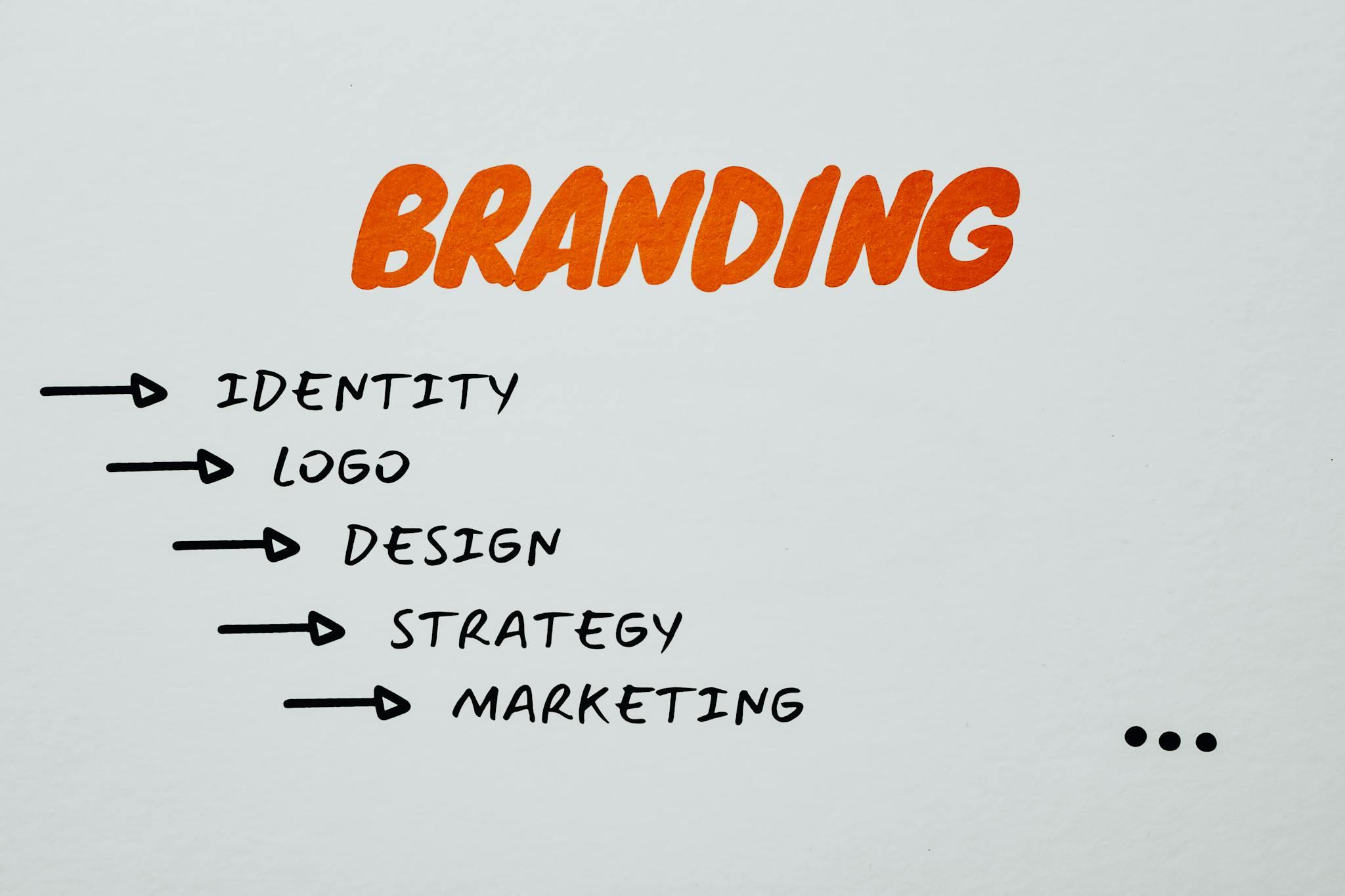
WHY YOUR BUSINESS LOOKS UNPROFESSIONAL (AND HOW TO FIX IT FAST)
You spent six months building something you're genuinely proud of.
The product works. Customers are happy. Revenue is finally moving in the right direction.
Then you're on a Zoom call with a potential client who could triple your monthly revenue, and they ask:
"So… are you guys new?"
Your stomach drops.
Because you know what they're really saying: "You don't look like you can handle this."
And it's not your product. Your team is solid. Your track record speaks for itself.
But your brand is telling a different story.
Your website has three different color schemes depending on the page. Your Instagram bio has changed four times this year because you still can't explain what you do in one clear sentence. And those case studies? Yes, the ones still sitting in a Google dDoc, waiting to be uploaded.
So the client goes with a competitor who charges more… but looks like they've been doing this for ten years.
You didn't lose because they're better. You lost because they looked better.
And that's the painful part—you were the better choice. No one could see it.
This is what happens when you tell yourself you'll "fix the brand later."
"Later" just cost you $30,000.
Why Strong Businesses Still Look Unprofessional
Your business evolved faster than your brand could keep up. Yea, that's it
You've been grinding for years. You're profitable. Customers are happy. Your team delivers. But your brand still looks like you're figuring things out—and potential clients can feel it!
Here's what's actually happening:
67 percent of small businesses have inconsistent visual branding across platforms.
At the same time, companies with stronger visual consistency report Profit margins up to 1.5 times higher than their peers.
The gap isn't just costing you one deal—it compounds over time. Every pitch. Every website visit. Every scroll where someone silently decides you're too small or too risky to trust.
Why it happens:
Most businesses treat branding like something they'll fix later. Product first. Sales first. Hiring first. Brand becomes the afterthought.
So you build as you go:
• A friend designs a logo
• Website copy gets written at midnight
• Social media happens when someone remembers
• Everyone on the team explains what you do differently
By year three, you've pieced together an identity that reflects multiple versions of your business.
Customers notice. They see inconsistent visuals, vague messaging that sounds like everyone else, no clear positioning, and content with no clear strategy.
This isn't because you don't care. It's because you focused on building a real business before building a professional presence. The problem is, by the time you realize branding matters, the market has already formed an opinion.
Professional vs. Amateur: The Real Difference
Professional businesses aren't older or bigger—they're intentional.
Amateur brands look like this.
• Website feels like multiple companies
• Bios and descriptions constantly change
• Sales calls sound different depending on who's talking
• Content feels scattered
• Visuals are "close enough"
Professional brands look like this:
• Instantly recognizable everywhere
• One clear positioning statement
• Consistent messaging across teams
• Strategic content that reinforces trust
• Cohesive visuals that feel deliberate
• The difference isn't the budget. It's systems put in place.
Using consistent visual elements can increase brand recognition by up to 80 percent. Professional brands don't rely on memory—they rely on frameworks.
This is exactly what we see when auditing growing brands at Lacelyf.
Businesses with solid products and real traction consistently lose deals not because of capability, but because their brand systems haven't caught up with their growth.
How to Make Your Business Look More Professional
You need four foundations:
1. Clear Positioning
Positioning answers one question: What do you do, who is it for, and why should anyone choose you?
If you can't say it in one sentence that a stranger can repeat, your positioning is broken.
✖️Weak positioning:
"We help businesses grow"
"Innovative solutions for modern companies"
✔️Strong positioning:
"Project management software for remote creative teams"
"Email marketing automation that doesn't require a developer"
2. Consistent Visual Identity
Professional doesn't mean expensive. It means cohesive.
Your visual identity includes:
✔️ One logo version used consistently
✔️ A defined color palette
✔️ One or two fonts
✔️ A consistent imagery style
3. Messaging Framework
This is the exact language your team uses to describe your value. When messaging is consistent, customers start using your words to describe you. 59 percent of consumers actually prefer buying from familiar brands.
4. Brand Guidelines
This is how consistency survives growth. Your guidelines document:
• Logo usage
• Color rules
• Typography
• Voice and tone
• Messaging dos and don'ts
How Long Does It Take to Fix an Unprofessional Brand?
You actually don't need a rebrand. You need a foundation.
Timeline: 4 to 8 weeks if focused
Investment: Depends on execution approach
Return: Shows up in trust, conversion, and pricing power
What Happens If Your Business Looks Unprofessional
This isn't about aesthetics. It's about revenue, 83 percent of consumers are more likely to recommend businesses they trust. Trust starts with perception - you need to fix your brand now.
Ready to stop losing deals because of how you look?
Book a free 30-minute strategy session with Lacelyf and get a clear roadmap to align your brand with the quality of your business.
-
0 Comments Add a Comment?